Blog about Marketing, Strategy, and business-applied learning

Content designed as food for thought to strengthen strategic thinking and expand professional capabilities. Professional reflections on how companies grow in complex environments. Strategy, Marketing, Management, Data, and Technology examined through experience, critical thinking, and real-world business application.

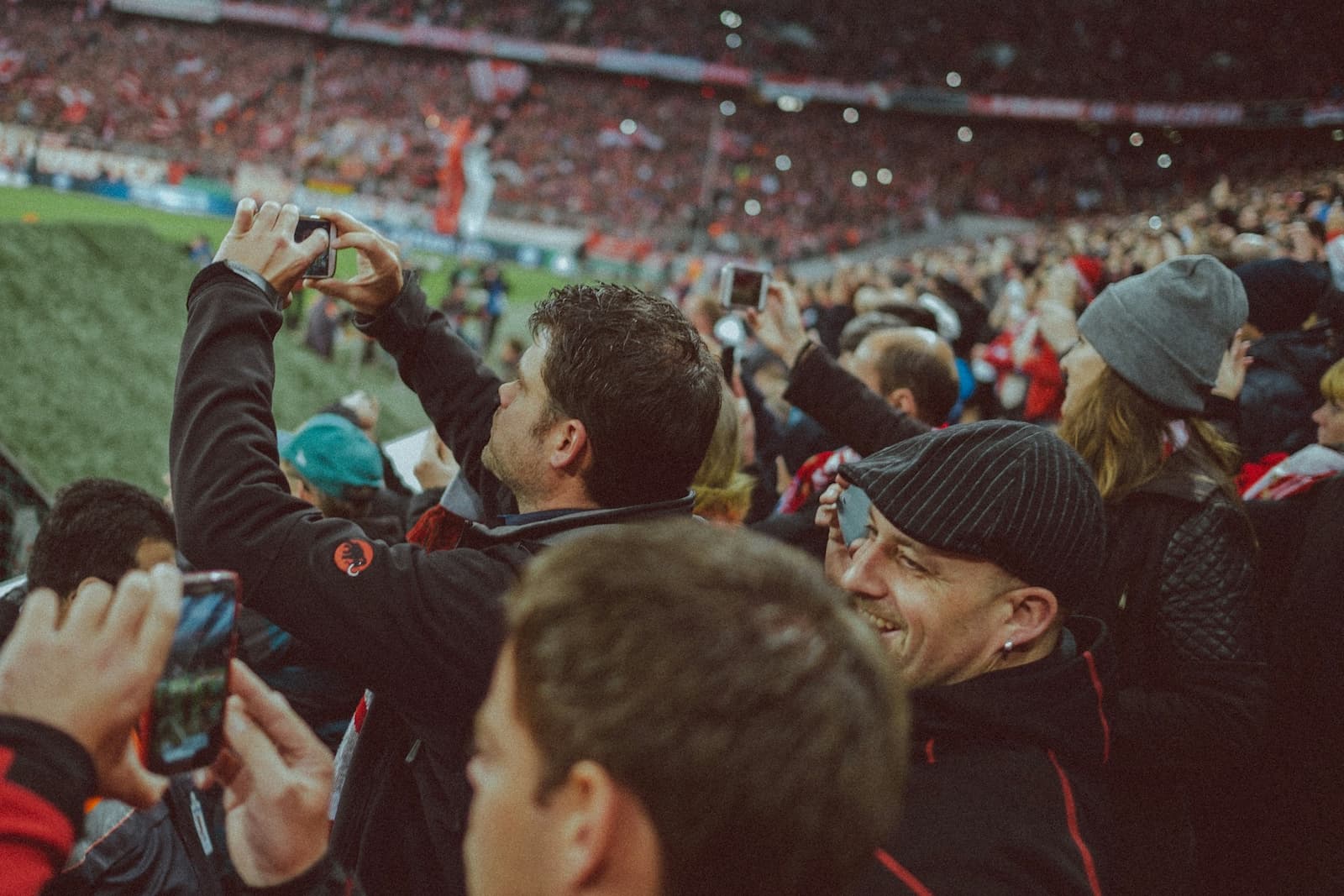
Football fans filming a match on their phones, the audience clubs want a direct relationship with fans

Who Owns the Fan? Clubs, Platforms and the Direct Relationship

Major football clubs have already diagnosed their digital problem: hundreds of millions of followers who are not in the CRM and cannot be monetized directly. This article explains why the target has proved so hard to reach: platforms keep the data, the law requires consent, broadcast rights keep the match off club channels, and the tokens, NFTs and metaverse projects of 2021 to 2023 never reached the volume a club needs.

A hand holding a phone showing a QR ticket at the entrance to an event

From Bootleg to Digital Add-Ons: Why Live Music Economics Needed a Fifth Revenue Layer

Every concert sells something beyond the ticket, and part of it is now digital: the recording of your own night, a livestream, an archive subscription, an access right. In a revenue per attendee model it is the fifth layer, after ticketing, VIP packages, merchandising and food and beverage. What pushed the business to build it is that recorded music no longer works as an income line for almost everyone who makes it. What the layer sells, where the money ends up, and what still holds it back.

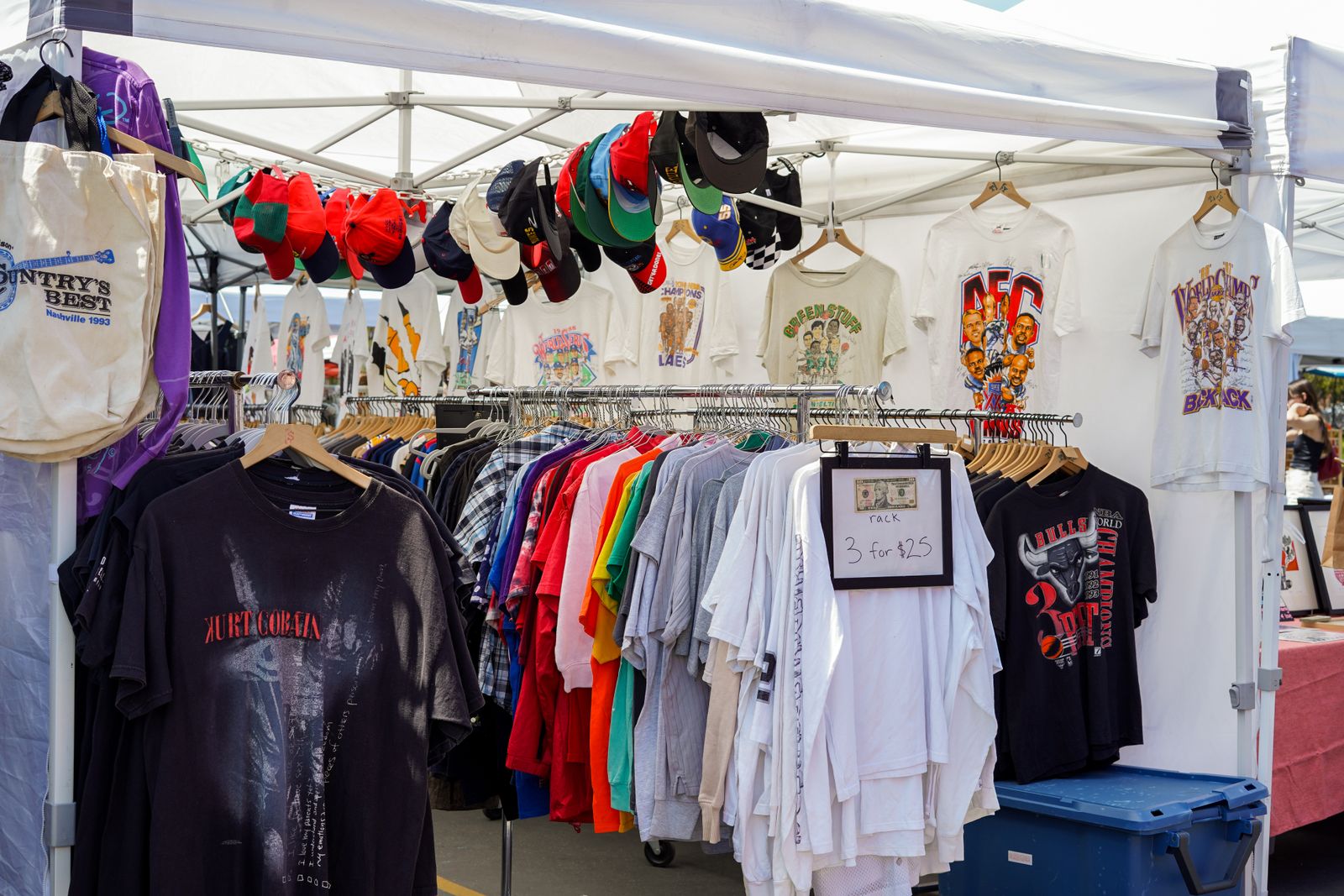
Concert merchandising stand with band t-shirts for sale

The Economics of Concert Merchandising

The concert merch stand has become a full retail store: a catalog anchored by the tour t-shirt, several selling windows, card payment that lifts spending, and the pull of owning “I was there.” A look at how it is priced, run, and shared with the venue, and why merch is a real layer of live-music economics.

Bolsos de diseño falsificados a la venta en un puesto callejero

Your Counterfeit Buyer Could Afford the Real Thing

The propensity to buy a counterfeit is not explained by price alone. It depends on whether the brand is premium or luxury, on whether the buyer could afford the original, and on whether they wanted that specific brand or just an alternative that met the need on a functional or aspirational level. These are the nuances that decide whether that demand is recoverable or the brand should write it off from the start.