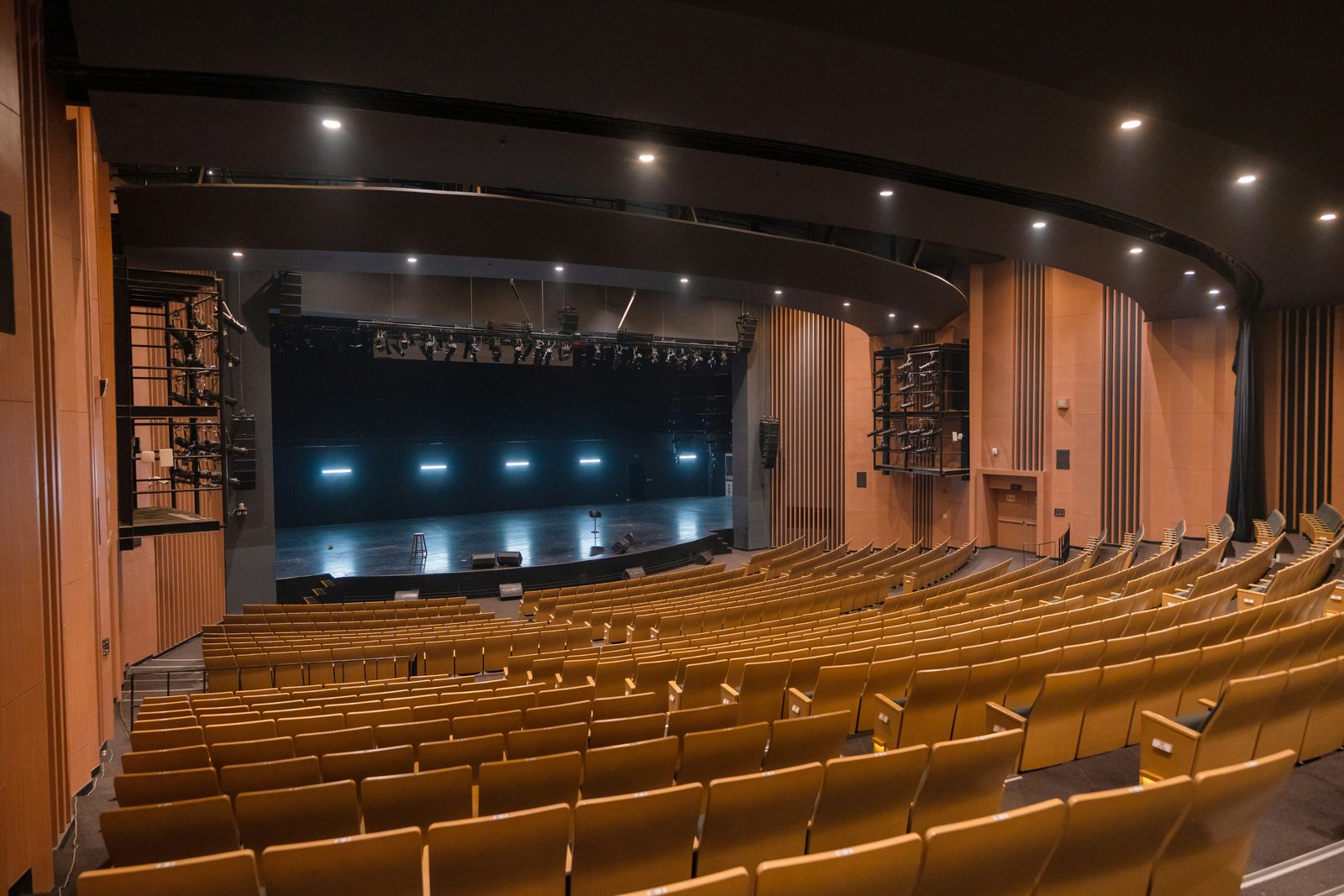
Four Nights in Chicago, One in Helsinki: The Economics of Tour Routing
Rush plays four nights in Chicago and one in Helsinki. How deep the demand runs, how far the next city sits and what a day off costs decide the number in every market.

Explore an ecosystem of proprietary frameworks designed to move beyond generic formulas and tackle the complexity of corporate environments. Discover exclusive tools for precision diagnosis and execution, where C-suite experience is distilled into methodologies that prioritize strategic viability and measurable impact over conventional theory.
Rush plays four nights in Chicago and one in Helsinki. How deep the demand runs, how far the next city sits and what a day off costs decide the number in every market.

Digital transformation is not over, but the term is starting to feel too small. This piece ranks the disruptions that got us here, from Web 2.0 to AI, and proposes a model to understand it from within: the centrifuge effect, where technology spins profiles, processes and organization all at once.
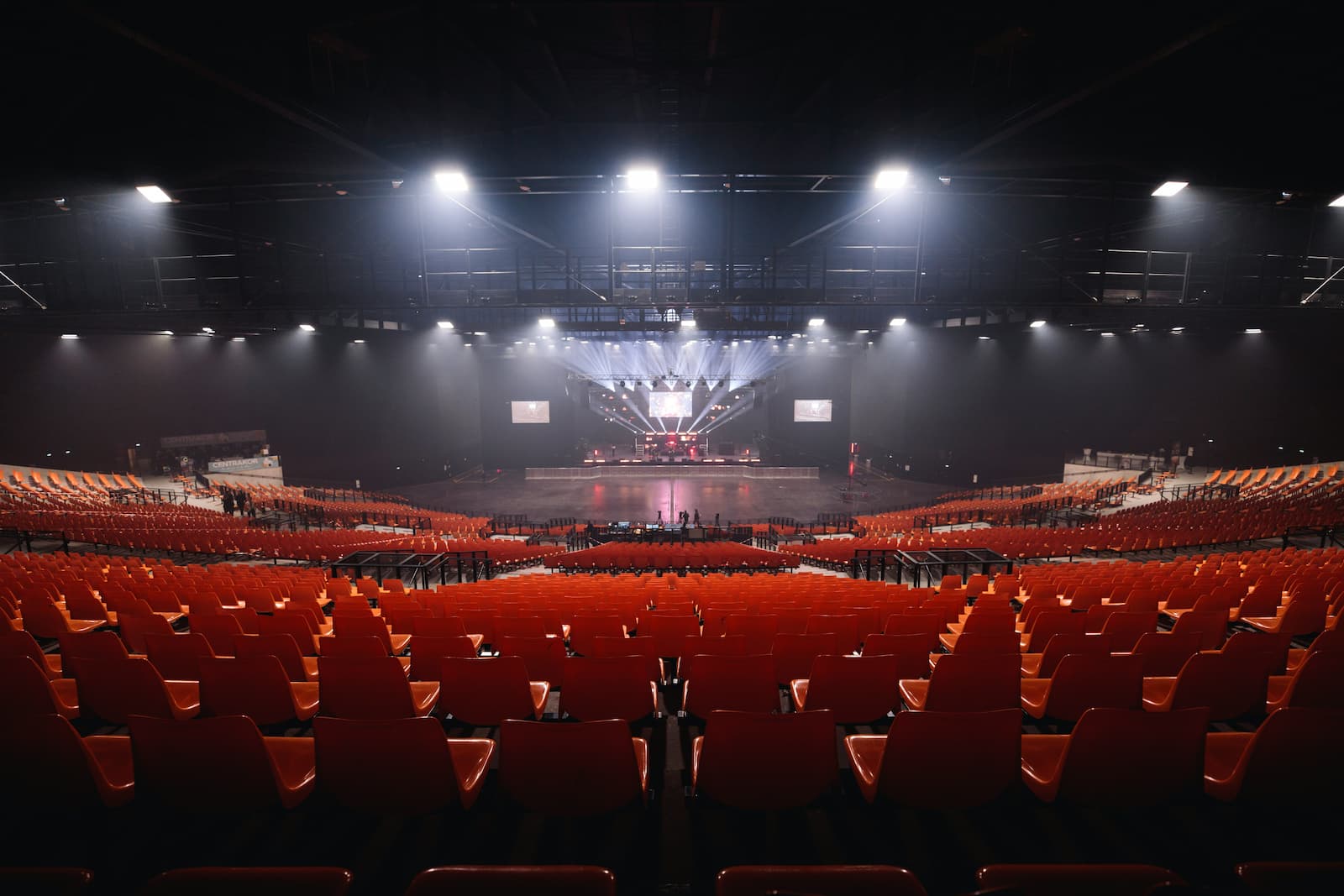
Coldplay played ten sold-out nights at one stadium in 2025, a record decades in the making. The multi-night residency is now a deliberate strategy. Here is how its economics work, from production savings to the divide between the US and Europe.

The ticket is just the access layer. The Revenue Per Attendee (RPA) model breaks down how a live music tour really makes money across five layers (base ticket, VIP, merchandising, F&B and digital add-ons) with a free interactive estimator to model your own event.
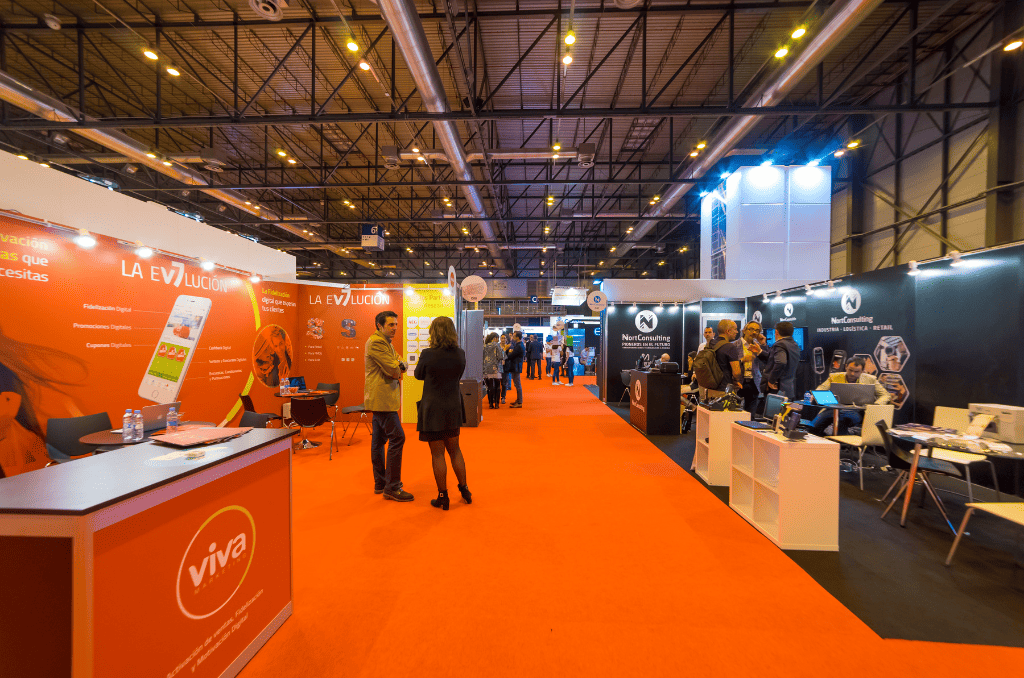
The best tools come from watching how people actually work. Event Profit Simulator© was built from direct observation of how marketing teams manage event economics and what standard platforms consistently leave open. A real-time P&L simulator for trade shows and proprietary events, built to shift mindset as much as numbers.
The ticket is only the beginning. This Revenue Per Attendee case study breaks Rush’s 2026 tour into five layers and estimates around $377 per fan, roughly 60% of it earned not from the ticket but from VIP packages, merchandising and food and beverage, with a fifth layer, digital add-ons, not activated.

Many products include layers that only certain groups of users actually use, while others pay the same price without perceiving any imbalance. The ProRAW mode on the iPhone by Apple, for example, enables professional-grade photo editing: photographers value it, but most users don’t even know it exists. Product maturity lies in understanding what truly drives purchase, what retains users, what defends against competitors, and what is simply excess.
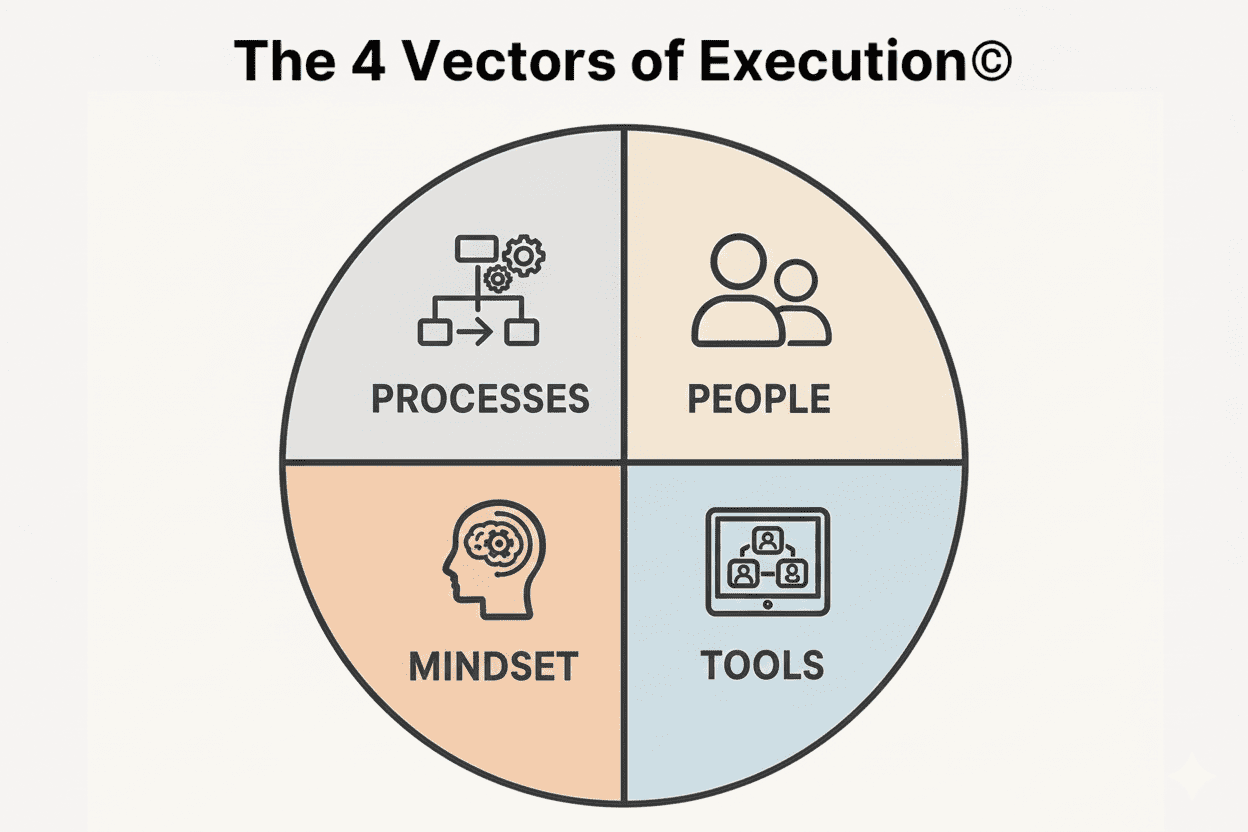
Moving from strategy to execution is not a problem of ideas or planning, but of alignment. Execution only works when four inseparable vectors come together: clear processes, capable people, sufficient tools and resources, and the right mindset. The absence of any one of them can block or sabotage even the best strategy. Execution is not about demanding more effort, but about creating organizational coherence.