Bus driver Truman Show

The Truman Show

Building a team without knowing what is truly needed is like going to the supermarket without a list: you might come back with good things, but you won’t be able to cook a coherent meal. Defining objectives, salary limits, and key roles, both internal and outsourced, is the manager’s responsibility. The question is: is everyone prepared for this? The rest is chance…and trusting that the bus driver will know how to steer the ship if the helm ever falls into their hands.


Rationale as an Antidote to Workslop

Rationale as an Antidote to Workslop

True development doesn’t come from giving orders but from sharing rationale. In a world flooded with “workslop” (superficial tasks amplified by AI’s polished yet empty outputs) what teams need is context, patterns, and critical thinking. Rationale turns assignments into learning, executors into professionals, and mere deliverables into growth.

El efecto expansivo de las ventas y el riesgo del efecto acordeon Post

The Expansive Effect of Sales and the Risk of the “Accordion Effect”

Growth in sales often triggers an automatic increase in headcount. But not all growth is temporary; sometimes it’s structural and requires resizing the organization. The risk lies in the “accordion effect”: expanding staff in good times and contracting (through layoffs and costly inertia) when sales decline. The key is vision: identifying whether growth is real and sustainable, analyzing it methodically, and deciding with rigor before expanding structures.

Learning by Doing como desarrollar talento en entornos corporativos

Learning by Doing: How to Develop Talent in Corporate Environments

Project-based learning bridges theory and practice, energizing teams and building critical skills. In companies and business schools alike, “learning by doing” (through cases, workshops, or bootcamps) enables participants to apply what they’ve learned to real-world challenges, generating tangible value and ensuring continuity between academic training and corporate performance.

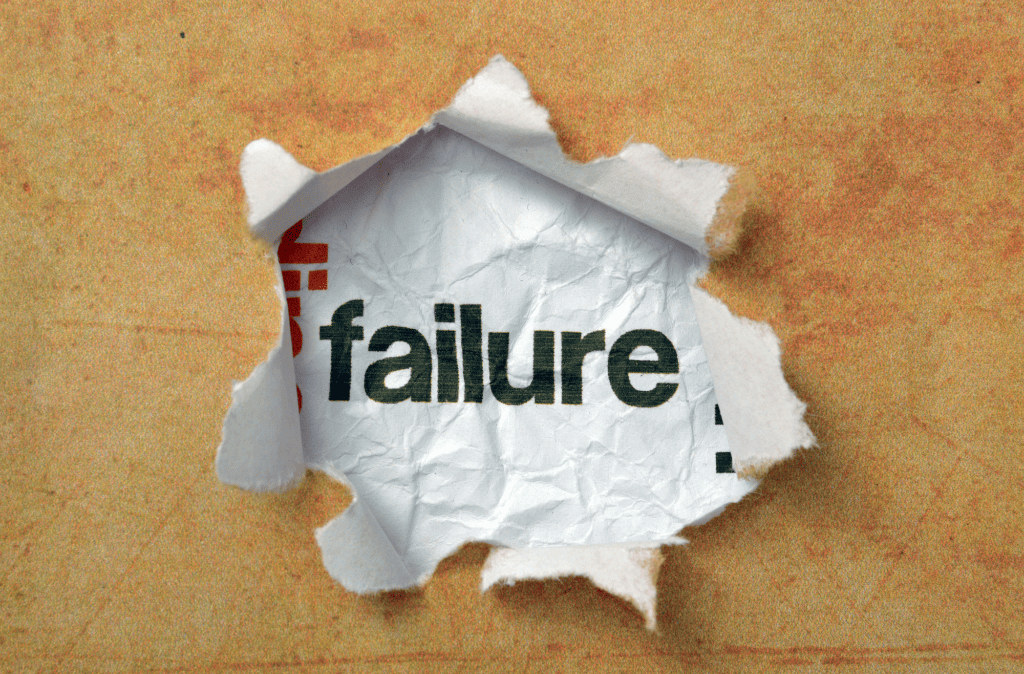
Aversion al Fracaso

Aversion to failure

Failure is not a liability but a strategic asset if managed well. Companies that document, analyze, and share mistakes turn them into collective learning, avoiding repeated errors and accelerating innovation. In a culture where failure is seen as part of the process, teams build resilience and trust. The true difference between stumbling and collapsing lies not in the mistake, but in the ability to learn from it.

The Critical Role of Scope in Managing Consulting

The Critical Role of Scope in Managing Consulting Expectations

In consulting, a clear and signed scope is more than a formality: it’s your safeguard. It defines what’s included, what’s excluded, and whether your role is proactive or reactive. Without it, misunderstandings can escalate, as in the case of a consultant and client clashing over responsibilities when a key team member left. A precise scope protects relationships and ensures aligned expectations from day one.

From Diagnosis to Action Post

From Diagnosis to Action: Turning Insight into Real Impact

The value of a good diagnosis doesn’t lie in pointing out what was already suspected, but in turning it into clear, actionable solutions with defined ownership. Diagnosing for the sake of it is ego; diagnosing to solve requires action.

Como la IA esta cambiando la forma de delegar tareas y formar talento Post Portada 2

How AI Is Changing How We Delegate Tasks and Develop Talent

Artificial intelligence now takes care of tasks that used to be delegated to junior or mid-level profiles. We gain efficiency, but we lose key learning opportunities that help develop talent. Delegating wasn’t just about splitting work: it was about sharing context and business logic. Today, if AI does part of the job, explaining the why is still essential for any professional to grow and create more value.